Small pleasures. What makes an ordinary day feel like yours?
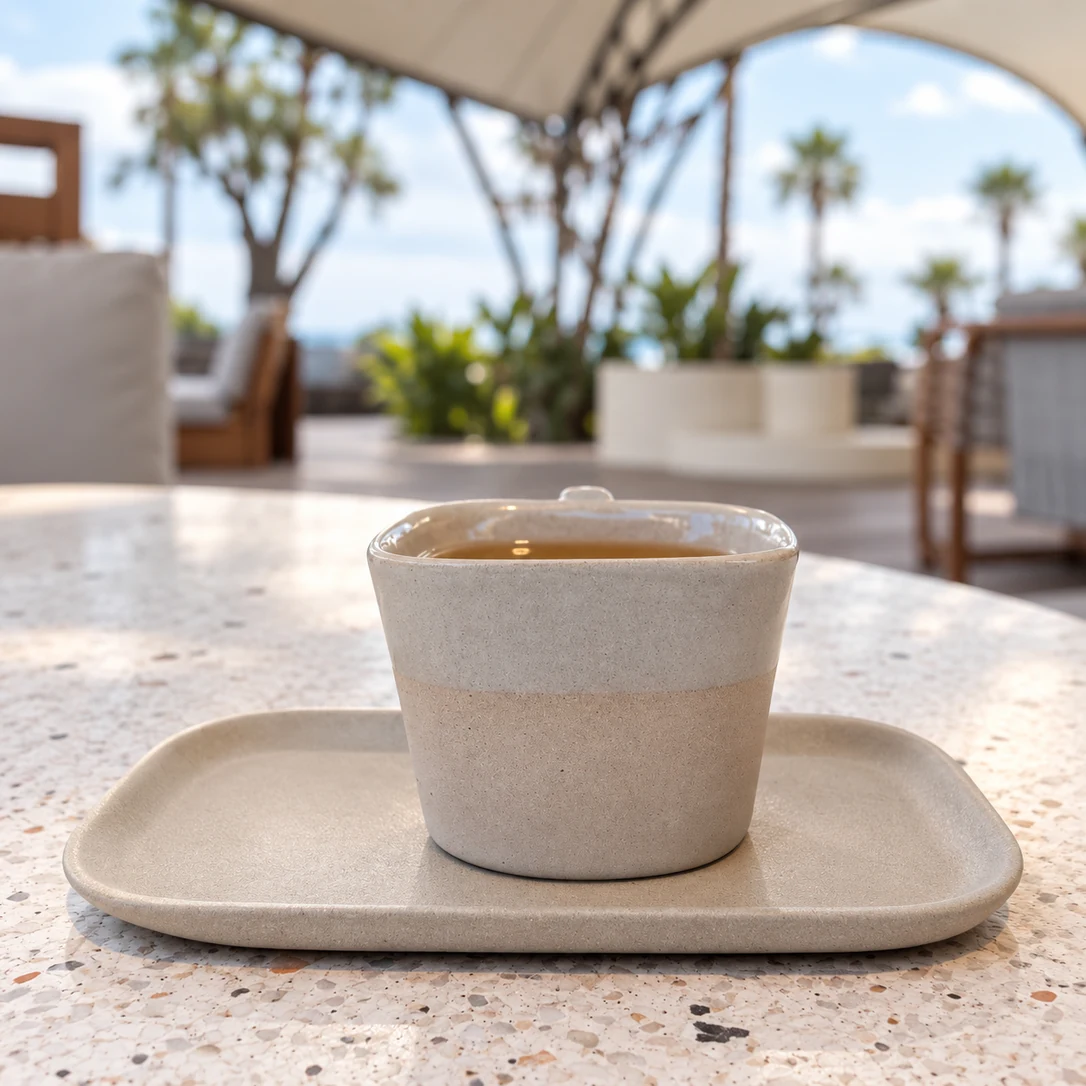
Two cups remain on the table. The conversation could end here, but another question keeps us together for five more minutes. An ordinary day, no anniversary. Yet something happens that we may want to return to later.
Small pleasures are ordinary moments with personal meaning: the scent of an orange as we peel it, a favourite song, a short walk, laughter at the table. It helps to choose them according to what we need. What gives one person a welcome moment of quiet may feel like another evening without conversation to someone else.
Start with a need, then choose an idea
Before making a long list of things to do for ourselves, we can ask what is missing today. After many conversations, the answer may be quiet. After hours at a desk, a change of surroundings. After time apart, someone’s voice and a question we can answer without rushing.
The same pleasure does not have to fit every day. A walk in the rain might appeal today; tomorrow, a book beside an open window may feel closer. We can change our minds. The choice belongs to this moment, without an obligation to repeat it for the rest of the week.
Something we can sense
Start with something specific and close at hand. Feel the warmth of a cup before the drink cools. Sit where the light falls for a few minutes. Listen to one song from beginning to end, rather than leaving music behind another task.
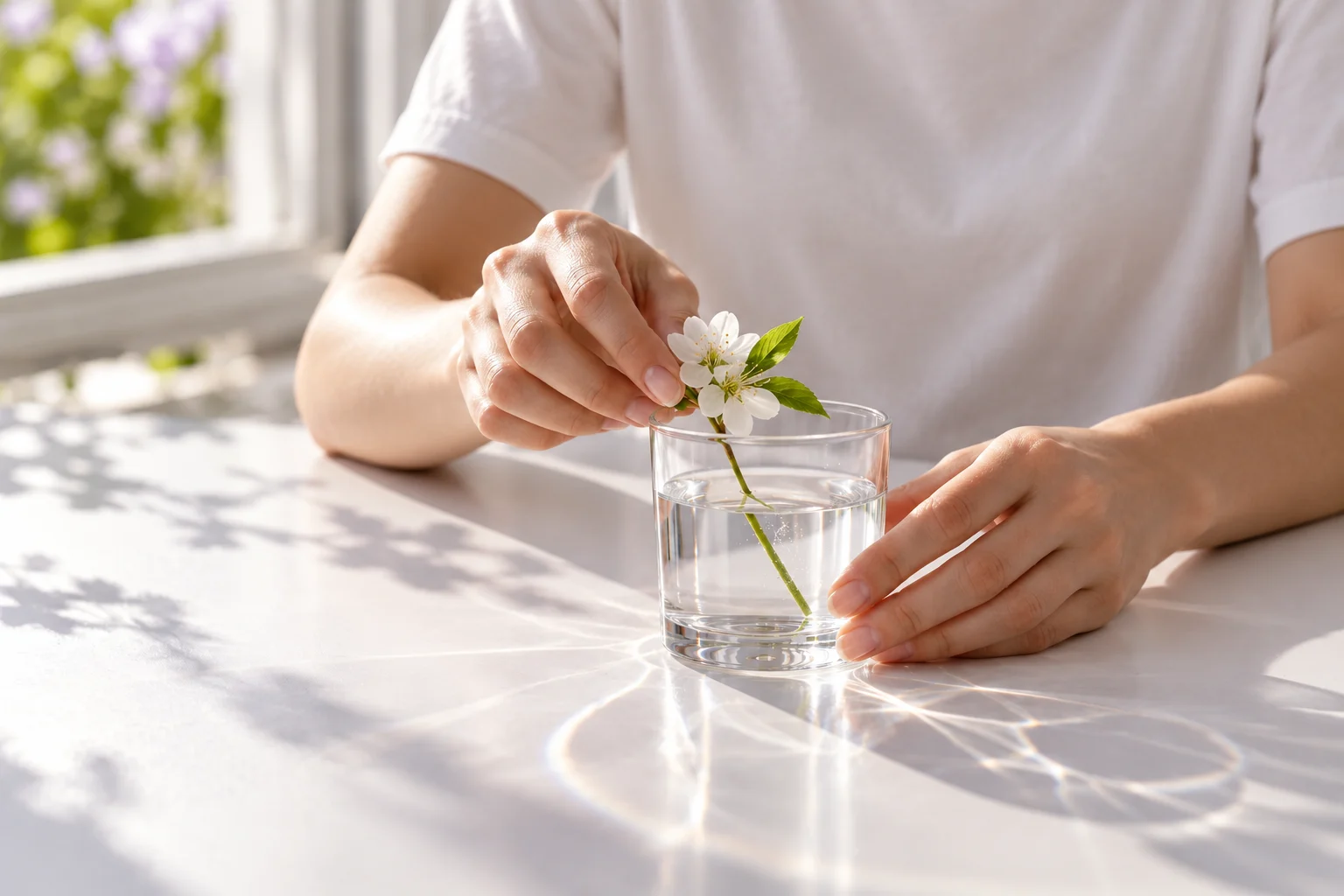
There is no need to prepare a special setting. A favourite glass, some water and a place by the window may already offer the moment we choose. If an idea involves more shopping and lengthy preparations, we can consider whether that is what we want and have room for. Pleasure can begin with what is already here.
There can be a place for it in an ordinary day
It is easy to promise ourselves something good once every task is finished. Yet another message arrives after the last reply, and dishes return to the cleared counter. We can choose a specific moment: one song after lunch, or a few minutes outside during a break.
When we care for someone or have urgent responsibilities, arrangements may need to come first. It helps to name when this moment is possible and who will handle necessary tasks while we take it. Not every pause is available immediately. That condition does not make our own need less meaningful.
Five more minutes together
A shared pleasure can be simple: a second cup on the table, a short walk together, a passage from a book read aloud. We can invite someone by asking: do you have room to stay a little longer? Their answer helps us find a moment that works for both people.
The meeting does not need to become an important conversation. Sometimes hearing what made someone laugh is enough. At other times, closeness can mean being quiet together. If meeting is difficult today, we can arrange a particular time for another day, without promising constant availability.
Your own list of small pleasures
Instead of collecting a hundred ideas, we can write down three that appeal to us. Beside each one, note when it is possible and which need it meets. That makes it easier to return to our own choice when the day speeds up.
These possibilities can offer a starting point. They are suggestions to adapt, without becoming a checklist. One that feels close today is enough.
- When quiet is needed: a few minutes by the window, without starting another recording.
- When a change of surroundings is needed: a short walk along another street or a pause on a familiar bench.
- When something sensory is needed: an orange peeled slowly, a warm drink or favourite music.
- When connection is needed: an arranged conversation with someone close during an everyday activity.
- When making something is needed: a few lines on paper, a sentence in a notebook or a photograph of a detail that caught our attention.
When nothing on the list fits
Some days, even familiar pleasures feel distant. There is no need to draw great delight from a cup of coffee or prove our gratitude. We can leave the list for later, ask for company or choose ordinary rest. This moment is not a test of a life well lived.
Perhaps a small detail will arrive in the evening that we want to keep: someone’s message, the colour of the sky, a sentence. Or perhaps nothing will come to mind today. Our own list should leave room for days like these too.
Perhaps a week from now, this is the detail that will return: two cups and a conversation nobody hurried. A small moment in the calendar, yet our own.
We can make room for it today, among ordinary responsibilities, and see what it comes to mean to us.
Once you find something good, you can give it a little attention. Our guide to enjoying the present moment explores that next step. If your day begins with a warm drink, you might also enjoy our reflection on morning coffee as a ritual. Choose what belongs in your day.
This moment is for you
Not tomorrow. Not someday.
This moment.
To make room for what matters now.
Original questions and suggestions from YĀNAMI for your own reflection.
QUESTIONS AND ANSWERS
Worth knowing
What are some examples of small pleasures?
A favourite song, a warm drink, a few minutes by a window, drawing or a conversation at the table. What matters is whether the chosen moment fits what we need today.
Do small pleasures have to cost money?
Many use what is already available: light, music, paper, water or time together. We can begin with something close at hand that does not require extra preparation.
How can I find time for them in a busy day?
Choose a brief, specific moment beside an everyday activity. If responsibilities or care make that impossible, someone else may need to take over a task first. Our own moment does not have to depend on completing every item on a list.
What if the suggested pleasures do not appeal to me?
You can let an idea go, choose something else or leave the list for later. There is no obligation to feel delighted or follow someone else’s way of having a good day.