A shared meal without rushing. Making room for conversation
The soup is cooling, someone is still looking for a spoon, and a message appears on a phone. A shared meal can easily become a pause between the next few tasks. Yet sometimes you simply want to sit with someone close and hear more than tomorrow’s list of responsibilities.
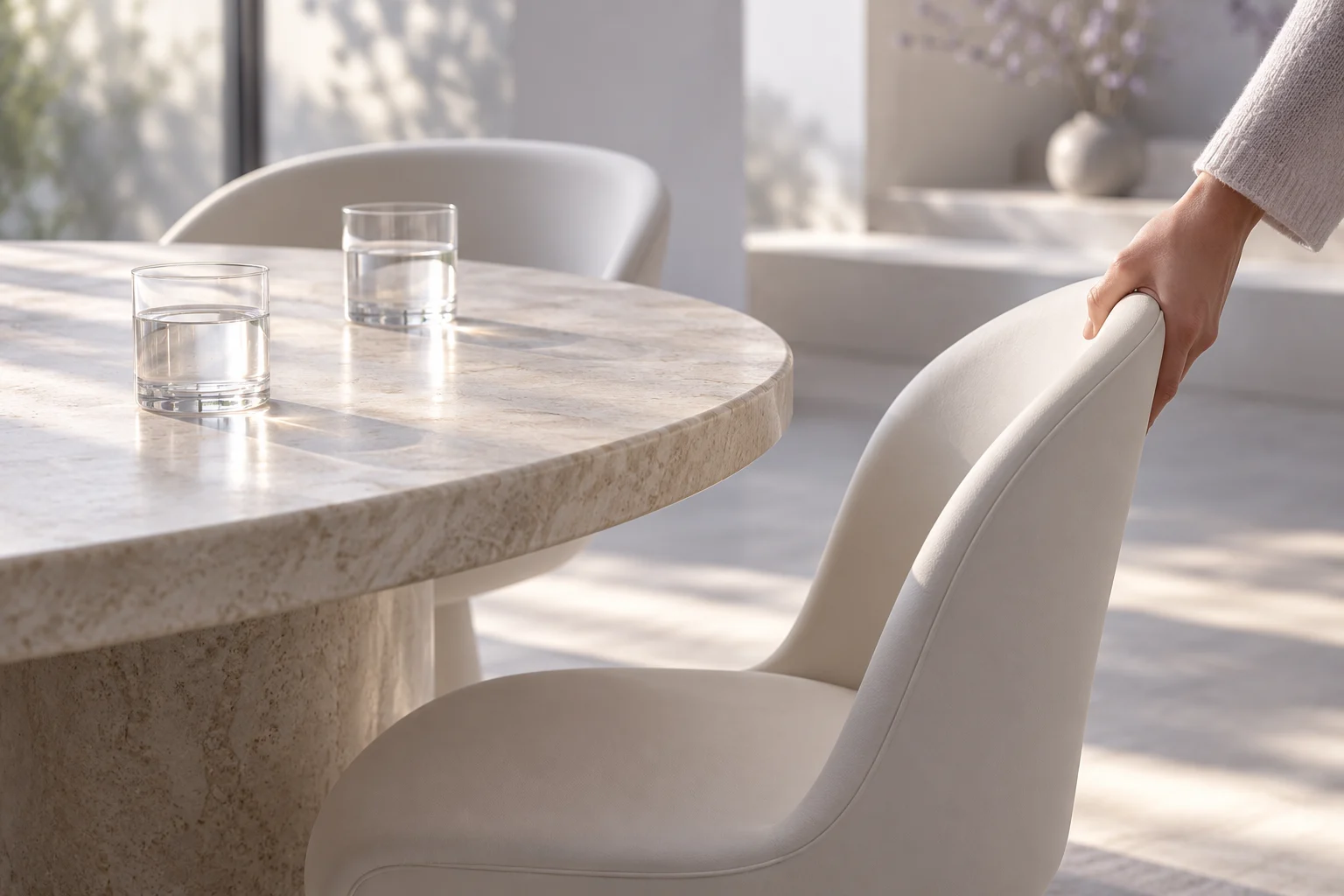
You do not need a special dinner. Sandwiches, leftover pasta or two mugs of tea will do. What matters is a real invitation: “Would you like to eat with me and spend a little time together?” Even a glass of water can be the beginning of that meeting.
Choose a meal you can manage today
Choose something that fits your energy, circumstances and needs. If cooking will use everything you have left, simpler food may leave more room for company. You do not need to eat the same thing, either. Different tastes, dietary needs and times of feeling hungry can meet around the same table.
Share the preparation in a way that feels fair. One person might warm the soup while the other brings water and washes up later. If you are inviting someone after a difficult day, you can say, “I’ll make it today. Have a seat.” Care becomes a concrete action rather than extra work hidden behind an appealing idea.
Make a little room for attention
You could agree to put phones away for part of the meal. In an experiment by Dwyer, Kushlev and Dunn, participants assigned to keep phones on the table reported more distraction and less enjoyment than those asked to put their phones away. That offers a reason to try an agreement of your own, without declaring one rule for every table.
Someone may be waiting for an important call or need a device to communicate. Mentioning it beforehand can help. Attention is not a competition to disconnect perfectly from the world. You can say, “I’m waiting for a message. I’ll check it, then come back to our conversation.” Clarity can be kinder than silently judging each other’s habits.
Let conversation find its own pace
Instead of asking for a report on the whole day, choose one detail: “What stayed with you today?” Let the answer have its space. You do not need to fill every pause or raise an important topic with the first spoonful. You can notice the taste, look out of the window or share something funny from the journey home.
If a difficult subject comes up, check whether there is room for it. “I’d like to talk about this. Would now be a good time, or after we eat?” A shared meal does not require personal disclosure. It also need not include comments about anyone’s appetite, eating pace or what is left on their plate.
Allow the custom to take different forms
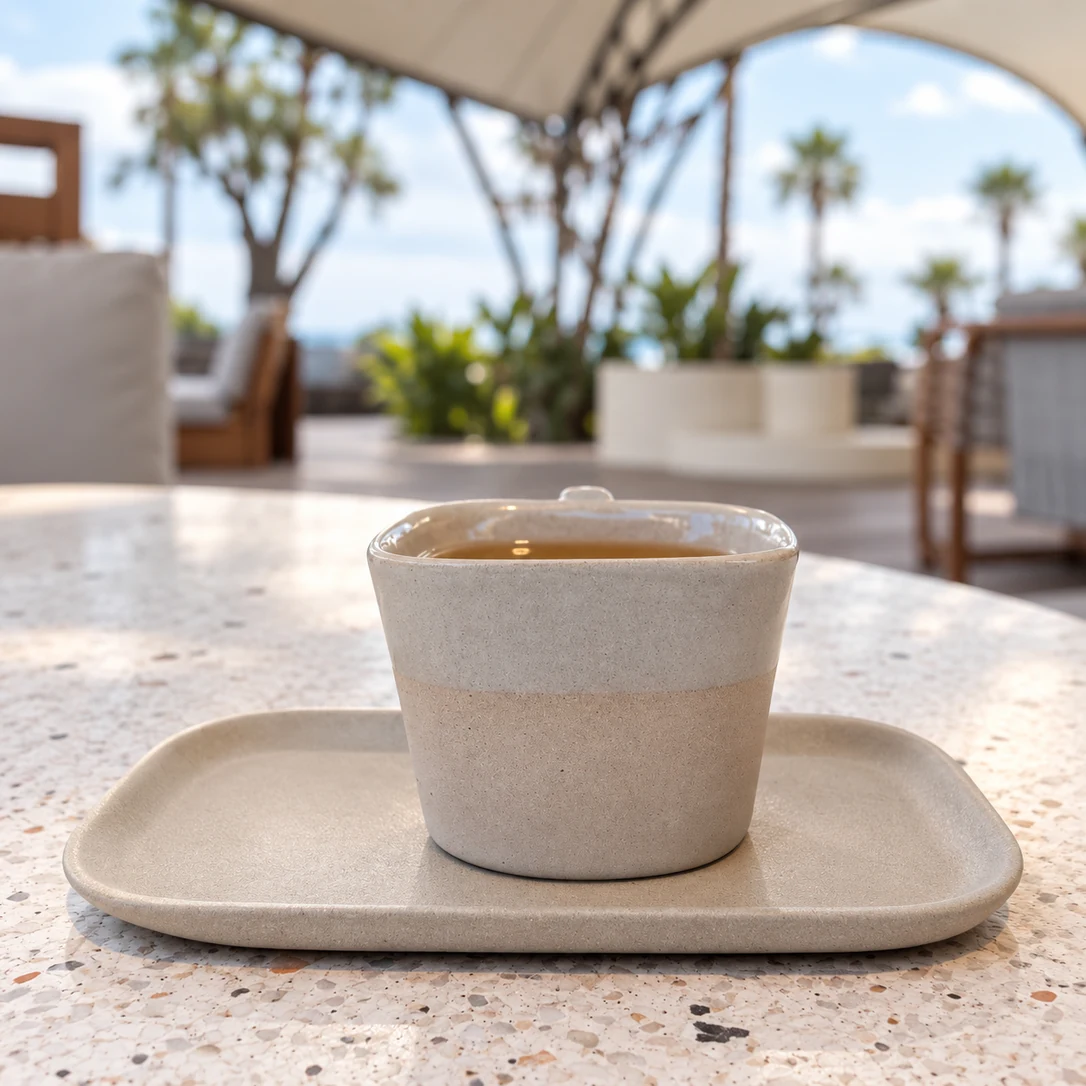
On a weekday, your meeting may last as long as a cup of tea. On a slower day, you might stay at the table. If schedules are hard to match, sit together even if only one person is eating. The meaning of the moment does not depend on a full menu, a tablecloth or a particular amount of free time.
Afterwards, notice what mattered to you. Perhaps you heard one story all the way through. Perhaps someone brought you water without being asked. You do not have to decide whether dinner was special enough. Today, its meaning may simply have been that an ordinary day had room for the two of you.
This moment is for you
To sit a little closer.
Laugh a little longer.
Live a little more fully.
For time together that may become a memory.
At YĀNAMI, a shared table is one of the simplest forms of hospitality. You can invite someone to it with whatever gesture you have room for today.
Sources and inspiration
QUESTIONS AND ANSWERS
Worth knowing
Does a shared meal need to be a special occasion?
No. Simple food, a snack or a drink is enough. Choose something that suits your needs and does not make preparation a burden.
How can we use phones less at the table?
Suggest trying to put them away for part of the meal. Agree on exceptions, such as an important call or using a device to communicate.
What can we talk about during a shared meal?
Ask about one detail from the day, share a small story or simply eat in peace. A conversation does not have to be profound for the time to matter.