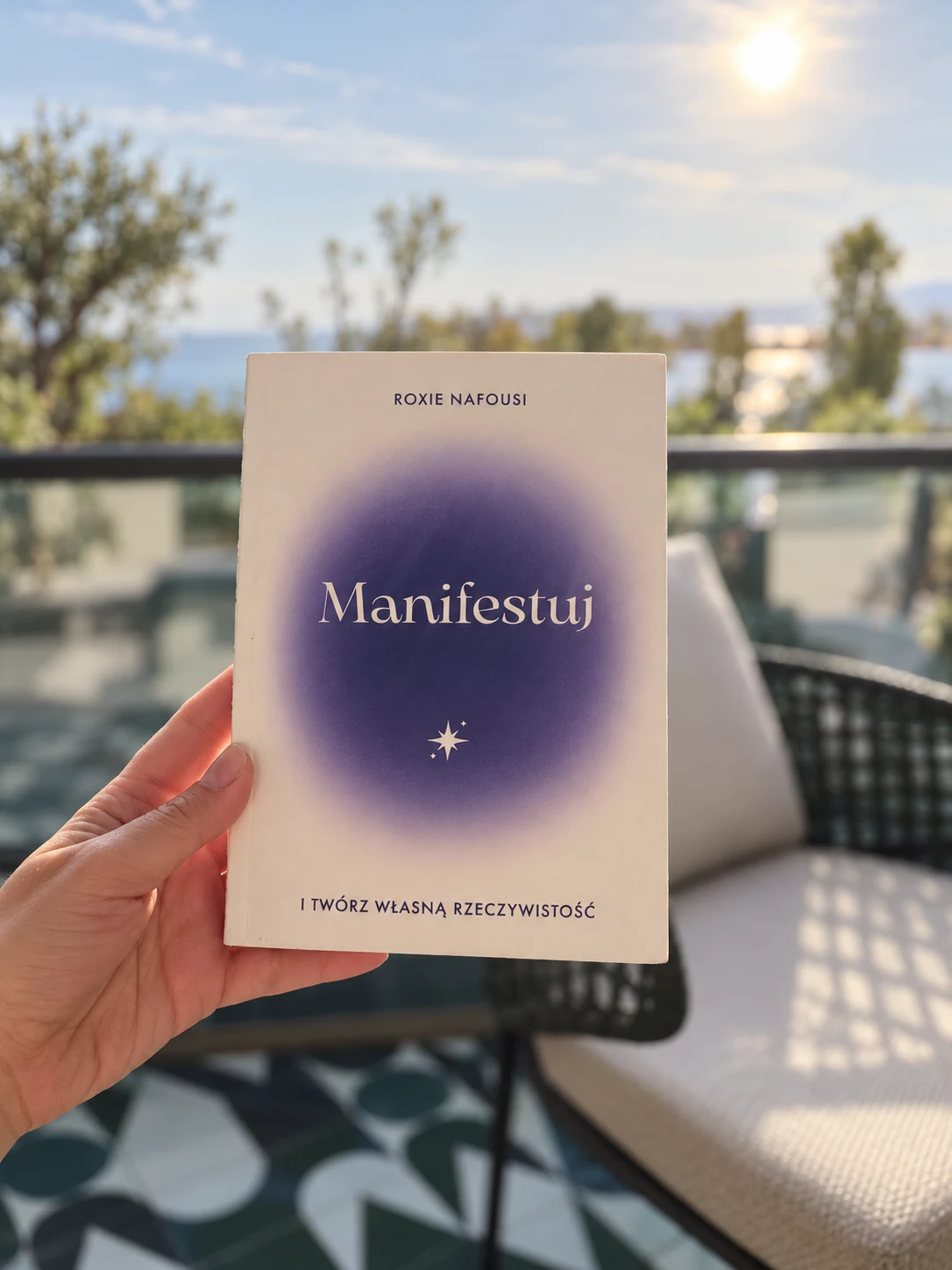
How to begin again when you do not yet know what comes next
You open a notebook at an empty page. After a job change, a move or the end of an important chapter, there is space you do not yet know how to fill. People ask about your plan. What you have is a few questions and a wish for a little time without anyone expecting a finished answer.
You can begin with a part of the situation you can influence now. A new beginning need not have a name or lead straight to a decision for years ahead. It can be an experiment that helps you understand your needs and possibilities a little better.
See what you already know
Write three kinds of information: what has changed, what remains available and what you do not yet know. Perhaps a project is ending, you still have particular skills and several contacts, and the next direction needs exploring. A simple description helps you see the situation without demanding certainty. Keep predictions separate from facts; “I do not know what comes next” leaves room to find out.
Notice the ordinary things that can stay with you as well. A familiar walking route, regular meal or conversation with someone close can provide a useful background to change. You do not need to leave everything behind for a beginning to count. Keep one steady part of the day in the coming week while other things gradually take shape.
Choose an experiment you can change
If you are considering a new activity, the first step might be a conversation with someone who knows it, a short lesson or borrowing a relevant book. Explore one possible direction before giving up the path you are on. Decide how much time and money you can give the experiment and when you will review the decision. Limits help keep the step in proportion.
Before beginning, ask, “What would I like to find out?” You might want to know whether you enjoy the task itself, whether it fits your rhythm or whether you like doing it with others. Then “This does not suit me after all” can be a useful answer. An experiment can end in a revised plan without making the effort you gave it a waste.
Tell someone where you are in the process
You can say, “I am still looking. For now, I want to explore one possibility.” You do not need to present the change as a certain success or defend it against every question. Choose someone with whom you can think aloud. Explain what support would help: listening, information, company at a first meeting or help with an ordinary responsibility.
A useful question can be simple: “Is there something I am overlooking?” Treat the answer as another perspective. Your choice still needs to include your own circumstances, including those that are less visible from outside. If the conversation fills with advice, you can return to your request: “Today, it would help most if you could simply listen.”
Give the first step an ordinary place in the day
A new month or a birthday can feel like a personal beginning. Research on the fresh start effect describes associations between these landmarks and starting to pursue goals; the date itself does not ensure continued action. Use its meaning if it helps, then choose an ordinary moment: look up a contact after lunch, talk on Saturday, prepare questions tomorrow. An unremarkable Tuesday is available too.
After the first experiment, ask what interested you, what was difficult and what another small step might look like. Leave yourself the option of a pause, particularly if the change has brought responsibilities or loss. A beginning can move unevenly. You do not have to know today who you will be on the other side. Start by honestly noticing what is possible close to you.
This moment is for you

Courage begins
when you allow yourself
to try a different way.
For a step towards the life you want.
You can begin while you still have questions. Another answer often becomes available through trying something concrete.
Sources and inspiration
QUESTIONS AND ANSWERS
Worth knowing
Do I need a complete plan to begin again?
You can start with one question and a small experiment. For major decisions, include costs, responsibilities and needed information instead of demanding immediate certainty from yourself.
What is a reversible first step?
It is an experiment you can stop or change at a reasonable cost: a conversation, visiting a place or a short lesson. It helps you gather information before a larger commitment.
What if I want a different direction after trying?
Consider what the experiment taught you and adjust your direction. Finding that something does not fit your needs is useful information too.