Mindfulness. How can you return to the moment you are in?
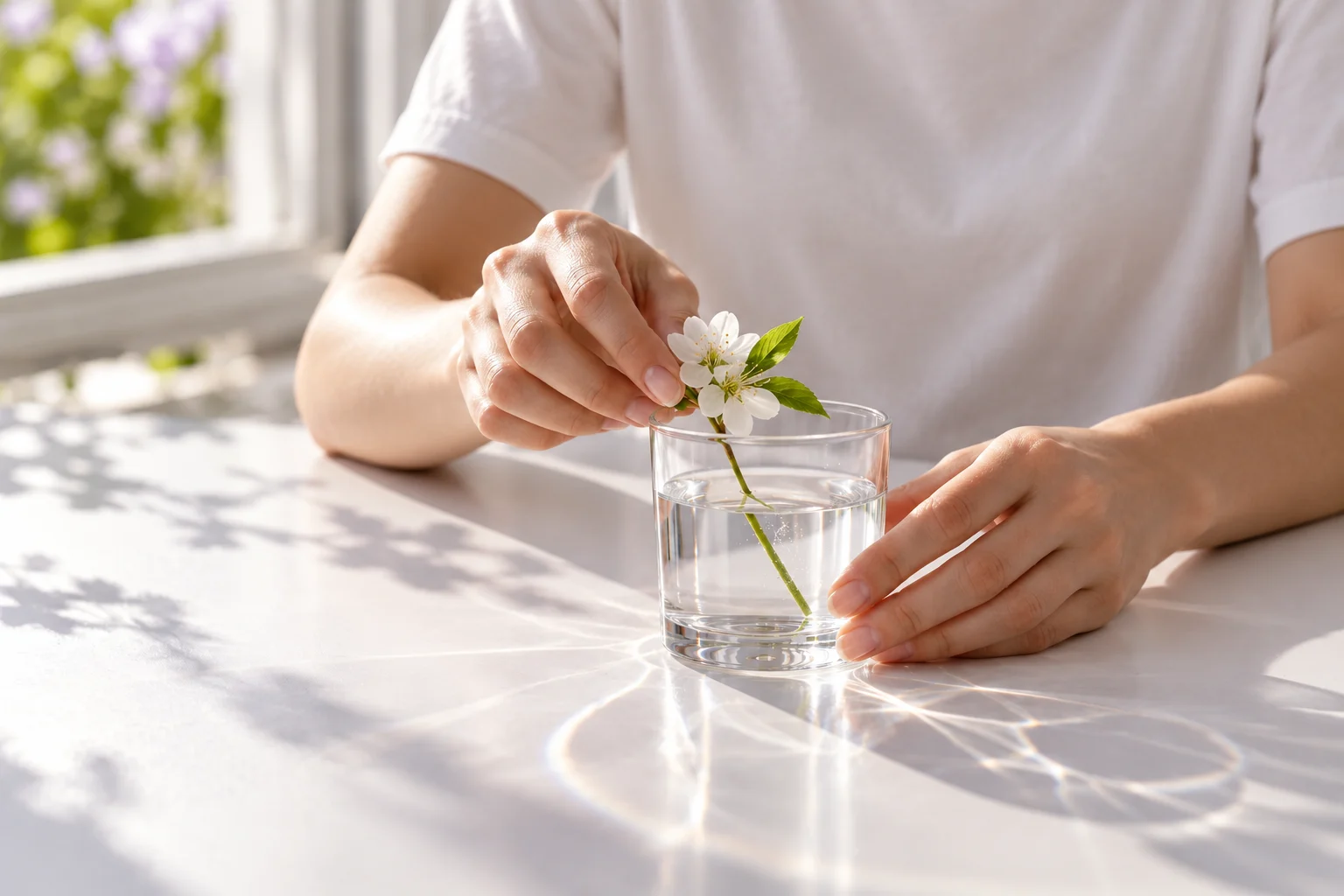
You hold a cup in your hands. The drink is still warm, but you are already in tomorrow’s conversation, an unfinished message and something you need to remember. Only the last sip tells you the coffee has gone. When did this moment pass?
Mindfulness means intentionally noticing your present experience with openness and without judgment. On an ordinary day, you can begin with the taste of a first sip, the feel of a cup or a sentence spoken by the person beside you. Notice what is happening within you, too.
What does mindfulness look like in everyday life?
Imagine walking along a familiar street. You usually pass through it while planning the rest of the day. Today you notice the light in the bakery window and hear someone laugh. For a moment, you see the street you are actually walking along. Your attention has returned to your experience.
You might also notice a thought: “I will forget something again.” Its presence does not require you to solve everything immediately. You can write down what needs doing and return to your walk. If it needs action now, you can choose to act.
Your experience also includes impatience, sadness and tiredness. You can acknowledge: “This is how I feel today.” That moment leaves room for an honest answer to what you need now. Sometimes it will be quiet, sometimes help, sometimes a conversation.
A thought may appear: “I cannot even rest properly.” Try noticing that this is a judgment. You can describe the same moment more gently and precisely: “I am thinking about work.” That sentence leaves room for a choice: return to your walk or write down something you want to make time for later.
Begin with something you already do
Choose one ordinary action. As you wash your hands, feel the temperature of the water. When you open a window, listen to the sounds outside. Before your first sip of tea, notice its scent. Stay with one sensation for as long as you wish.
A useful beginning may be a moment already present in your day. You are waiting for the kettle. Sitting on the bus. Putting down your keys when you get home. Choose a situation in which you can freely notice your experience while still attending to safety and anything that needs action.
Then ask: “What am I noticing?” The answer can be simple: the warmth of a cup, tension in your hands, a wish to sit down. You can use it as a clue for one small choice. Sit for a moment. Open a window. Tell someone you need a few minutes.
When your attention moves elsewhere
You sit with your tea and soon remember the laundry. Next comes a message that has not been answered. Eventually you notice that you have been looking at the cup for several minutes. That noticing gives you an opportunity to return.
You can name what occupied your attention: “Planning”, “Worrying”, “Remembering a conversation”. If you want to return to something later, write a few words. Then feel the cup in your hands again or listen to the sounds outside. The rest of this moment is still available.
There are days when pausing feels uncomfortable. You can make the moment shorter, choose a walk or do something practical. At YĀNAMI, a ritual of your own leaves room for your response. You can adapt it to how you feel today.
Attention you can give to someone
Someone is telling you about their day. You recognise the beginning of the story and start preparing your response. What if you waited until the sentence was finished? You might also hear what they are trying to say after a moment of silence.
You can put down what you are holding and ask: “Would you like to tell me about it, or shall we look for a way forward together?” The answer can guide the conversation. Sometimes that means thinking together. At other times, it means being present with something that was simply difficult.
If you have no room to listen right now, you can say so and suggest a specific time to return. “I want to hear you. Let’s sit together after dinner.” When that moment comes, return to the invitation. Closeness can also begin with keeping a promise this small.
Perhaps you will remember the warmth of the cup. Perhaps a sentence from a conversation that might otherwise have passed you by. These noticed moments become your story of the day.
At YĀNAMI, we begin them with attention: for ourselves, for someone close, for the life unfolding now. Which moment would you like to make room for today?
Celebrate the moment. Celebrate life.
To explore what draws your attention away, read about finding a moment for yourself when your mind feels busy. Then choose your own way to enjoy the moment unfolding now.
This moment is for you

Your life is made of countless moments.
This one is unfolding now.
How do you want to live it?
Make it your own kind of special.
One moment. Endless possibilities.
Sources and inspiration
QUESTIONS AND ANSWERS
Worth knowing
What is mindfulness?
Mindfulness means intentionally noticing present experience with openness and without judgment. You can notice an action, a sensation or a thought, then bring your attention back to what is happening now.
How can I begin on an ordinary day?
Choose a familiar action, such as making tea. Notice one sensation: scent, temperature or the feel of the cup. Then ask yourself what you need in that moment.
What if my thoughts keep wandering?
When you notice it, you can name the thought and return to your chosen sensation. If something needs action, choose to act. You can also shorten the pause or choose a different way to stop for a moment.