Everyday gratitude. Noticing good things without overlooking difficulty
The bus left just before you reached it, a conversation at work weighed on you, and another task waits at home. On a day like that, “Enjoy the little things” can sound like one more instruction you have no energy to follow. You do not have to cover what is difficult with a cheerful conclusion.
You might still notice that someone waited with tea. That you managed to ask for help. That the evening held a few quiet minutes. Gratitude can refer to one detail without passing judgment on the whole day.
Leave room for both parts of the experience
“Today was hard, and I appreciate that someone talked with me.” Both parts can be true. A small good thing does not cancel tiredness, unfairness or the need for change. You need not look for a benefit in every painful event. Sometimes an honest response remains, “I don’t want that to happen again.”
If nothing comes to mind, do not force a list. You can return to the question another time. Gratitude is not a test of having the right attitude to life. You do not need to feel it on demand or compare your difficulties with someone else’s to deserve rest, help or attention.
Notice a detail and what it means to you
Instead of searching for something grand, pause at a scene. Someone moved a bag to make room for you. A person close to you remembered that you were waiting for important news. An ordinary gesture becomes clearer when you name its meaning: “I did not have to carry everything alone.”
You can also appreciate something made possible by your own action: a meal prepared earlier, a boundary expressed, a pause before answering. This is not about awarding yourself points for productivity. You are noticing care you managed to put into your day, even when the rest of the tasks remained unfinished.
Offer thanks in a way that fits the relationship
Specific thanks can be brief: “Thank you for calling before the meeting. It mattered that you remembered.” Or, “That soup made this evening much easier.” You do not need a formal speech. Send a message, say a few words while washing up or thank the person when you next meet.
Leave the other person free to receive those words in their own way. They do not need to return a declaration or become visibly moved. Gratitude does not require you to give up your boundaries, either. You can appreciate someone’s help and still decline their next request. Thanks concern a particular gesture, rather than an open-ended debt.
Let attention become a small action
If someone’s gesture mattered to you, you can choose what comes next. Make room at the table, carry back a mug, ask about a day. It is a possibility rather than an account to settle. A good experience can be passed to a different person and take an entirely different form.
Experiments by Emmons and McCullough found some benefits from directing attention towards reasons for gratitude, though not across every outcome studied. You do not need to expect a particular change in how you feel. Instead, see whether this moment of noticing feels honest to you and whether you want to return to it.
This moment is for you
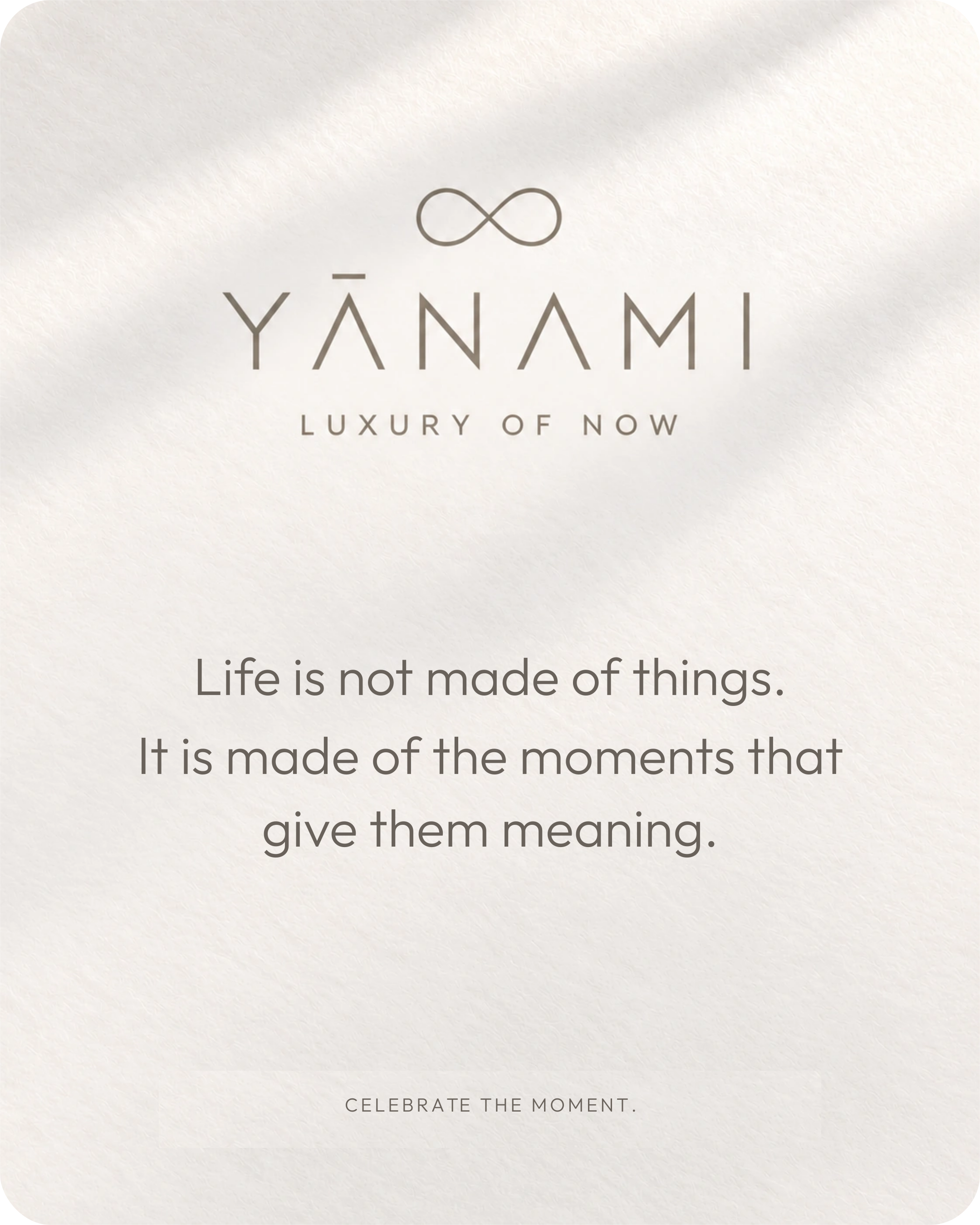
Life is not made of things.
It is made of the moments that give them meaning.
To notice what gives your day meaning.
At YĀNAMI, noticing good things begins with attention to the day you actually had. A day with room for gratitude and for what still needs care.
Sources and inspiration
QUESTIONS AND ANSWERS
Worth knowing
Does gratitude mean thinking positively about everything?
No. You can notice good things while acknowledging difficulty, anger or the need for change. Every experience does not need to contain a benefit.
How can I practise gratitude without keeping a journal?
Pause at one concrete gesture and name what it meant to you. You can offer thanks, send a message or simply keep the moment to yourself.
What if I do not feel grateful?
Do not force it. Notice what you do feel and return to the question if you want to. This practice is neither a duty nor a judgment on your attitude.